The Importance of Accessibility in City Event Planning
As cities increasingly host a variety of cultural gatherings, music evenings, and social game clubs, the need for accessibility in event planning has become more critical. Accessibility ensures that all community members can participate fully, creating a vibrant and inclusive atmosphere.
Understanding the Basics of Accessibility
Accessibility in event planning refers to the design and implementation of events that are usable by everyone, regardless of their physical or cognitive abilities. According to the World Health Organization, approximately 15% of the world's population experiences some form of disability. Therefore, incorporating accessibility features into city events is not just a best practice; it is a necessity to ensure inclusivity.
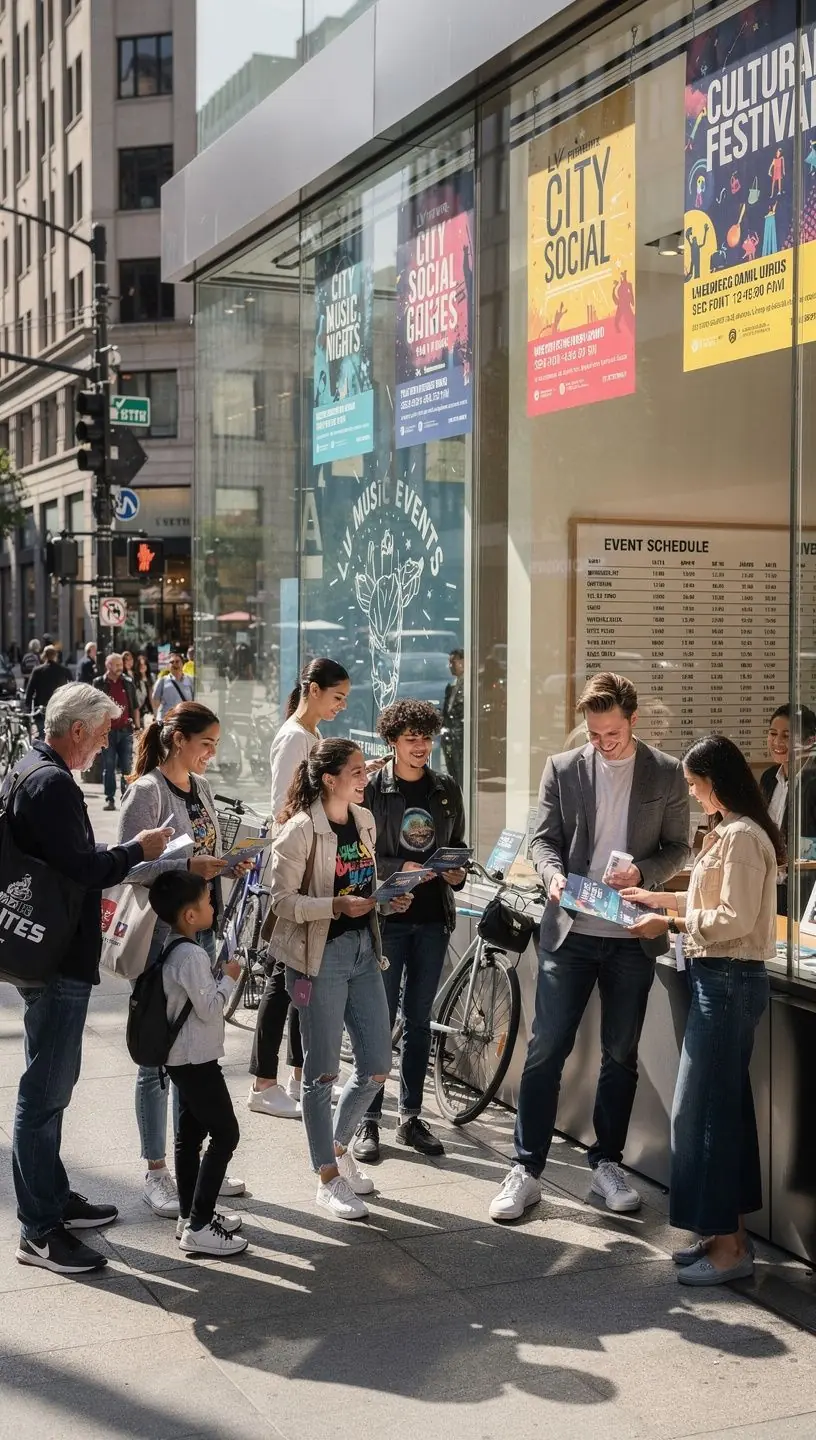
"An inclusive environment fosters a sense of belonging and community among all participants." - Accessibility Advocate
Why Accessibility Matters
Research indicates that accessible events can lead to higher satisfaction rates among attendees. Many users report feeling more welcome and engaged when events consider their needs. Accessibility may involve:
- Providing ramps and wheelchair access to venues.
- Offering sign language interpreters for performances and discussions.
- Implementing clear signage and information in multiple formats.
Practical Steps for Enhancing Accessibility
To effectively plan accessible events, organizers can follow several practical strategies:
- Conduct Accessibility Audits: Before planning an event, evaluate the venue for accessibility. This typically involves assessing entrances, restrooms, and seating arrangements.
- Consult with Experts: Engaging with accessibility experts can provide valuable insights. Many experts recommend involving members of the community who require accessibility features in the planning process.
- Implement Feedback Mechanisms: After the event, seek feedback specifically focused on accessibility. This information can guide future improvements and ensure ongoing commitment to inclusivity.
Acknowledging Challenges
While striving for accessibility, it is important to acknowledge potential limitations. Implementing comprehensive accessibility measures typically requires time and resources. Planning for accessibility may take several additional weeks compared to standard event planning, and it often involves ongoing adjustments based on feedback.
Conclusion
Incorporating accessibility into city event planning is more than a regulatory requirement; it is an essential step toward creating a welcoming community. By prioritizing accessibility, cities can enhance participant experiences and foster a sense of belonging among all individuals. The effort to ensure accessibility may require additional planning and resources, but the positive impact on the community is invaluable.