How to Create an Engaging Event Calendar
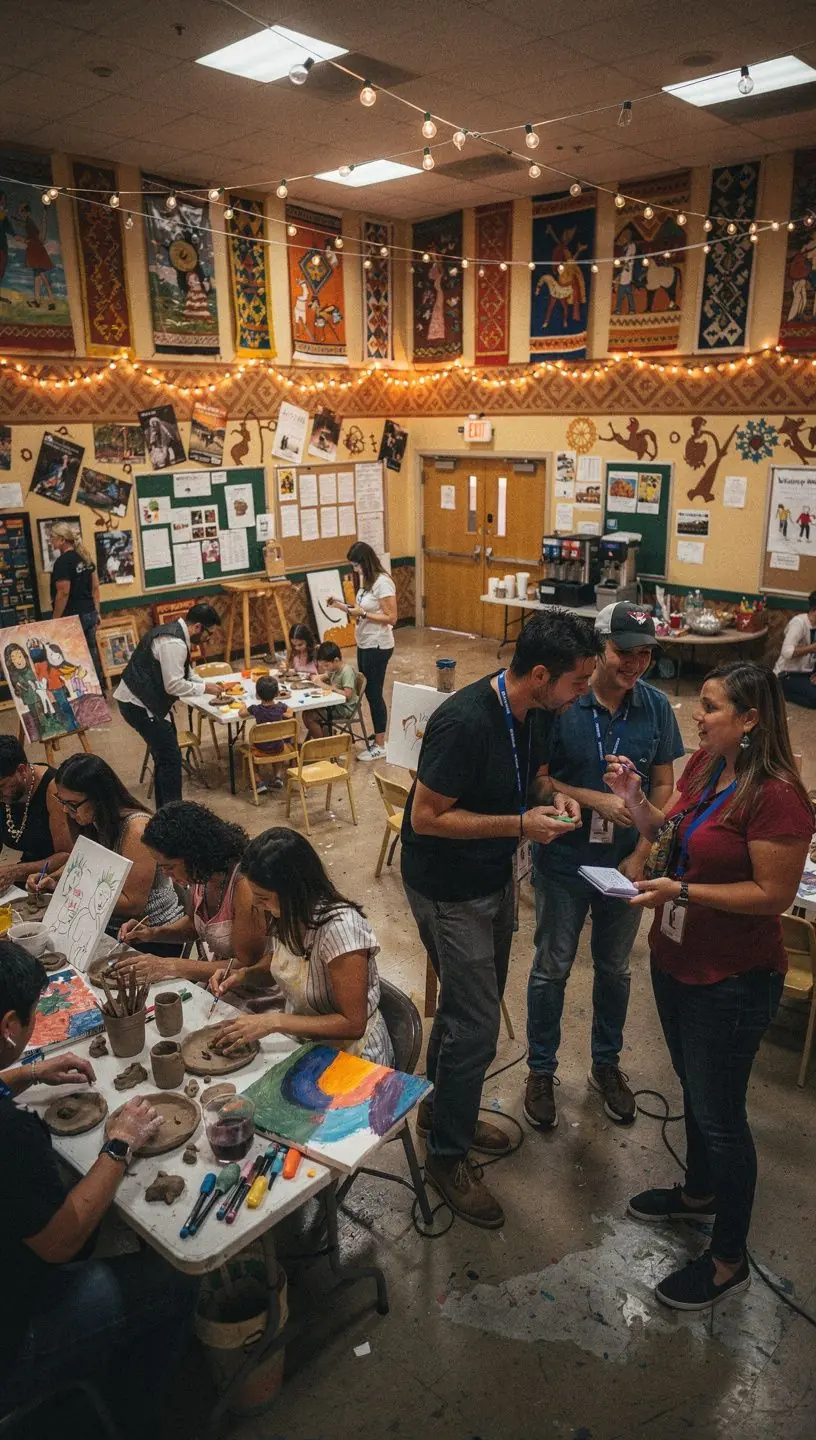
Creating an engaging event calendar can significantly enhance community participation in cultural gatherings, music evenings, and social game clubs. By following structured methodologies, organizers can ensure that their calendars attract and retain audience interest.
Understanding the Importance of an Event Calendar
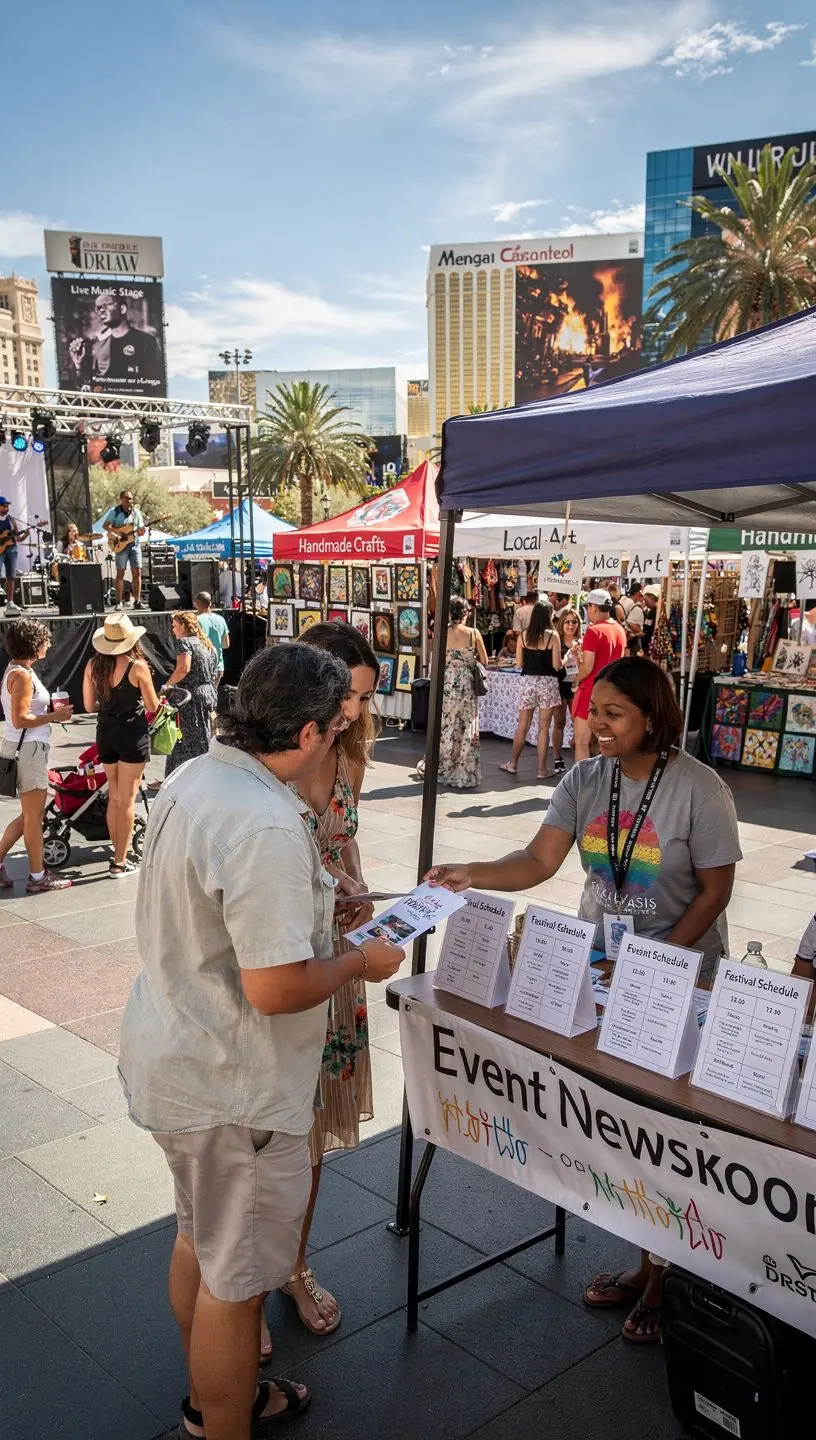
According to industry experts, a well-structured event calendar is essential for promoting local events effectively. It serves as a central hub for information, allowing potential attendees to easily access details about various gatherings. This works because it consolidates information in a user-friendly format, making it easier for the community to engage with upcoming events.
"An effective event calendar can increase participation by up to 30% in similar contexts, as it keeps the audience informed and engaged."
Key Elements of an Effective Event Calendar
When designing your event calendar, consider the following elements that can enhance its effectiveness:
- Clear Layout: A visually appealing and easy-to-navigate layout is crucial. Studies show that users are more likely to attend events when they can quickly find the information they need.
- Event Details: Include essential information such as date, time, location, and a brief description of each event. Many users report that having concise descriptions helps them plan their attendance better.
- Regular Updates: An event calendar should be updated regularly to reflect any changes in scheduling. This demonstrates reliability and helps build trust with the community.
Creating Anticipation and Engagement
Engaging your audience is not just about listing events; it's about creating anticipation. Here are some practical strategies to enhance engagement:
- Highlight Featured Events: Use visual elements to draw attention to major events. This can include using different colors or images that resonate with the theme of the event.
- Utilize Social Media: Promote your event calendar through social media channels. Research indicates that social media can effectively increase exposure and drive attendance, especially among younger demographics.
- Feedback Mechanism: Consider incorporating a way for attendees to provide feedback on events. This not only helps improve future gatherings but also fosters a sense of community involvement.
Acknowledging Limitations
While creating an engaging event calendar can improve community participation, it is important to recognize its limitations. Developing a comprehensive calendar typically takes several weeks and requires consistent effort to maintain. Additionally, not every event will attract the same level of interest, which is a normal occurrence in community engagement efforts.
Conclusion
In conclusion, a well-designed event calendar can significantly enhance community involvement in local cultural gatherings and events. By focusing on clear layouts, essential details, and engaging strategies, organizers can create a valuable resource for their community. Remember, the key to success lies in consistent updates and actively promoting the calendar through various channels. As you embark on this process, set realistic expectations and be prepared to adapt based on feedback and engagement levels.