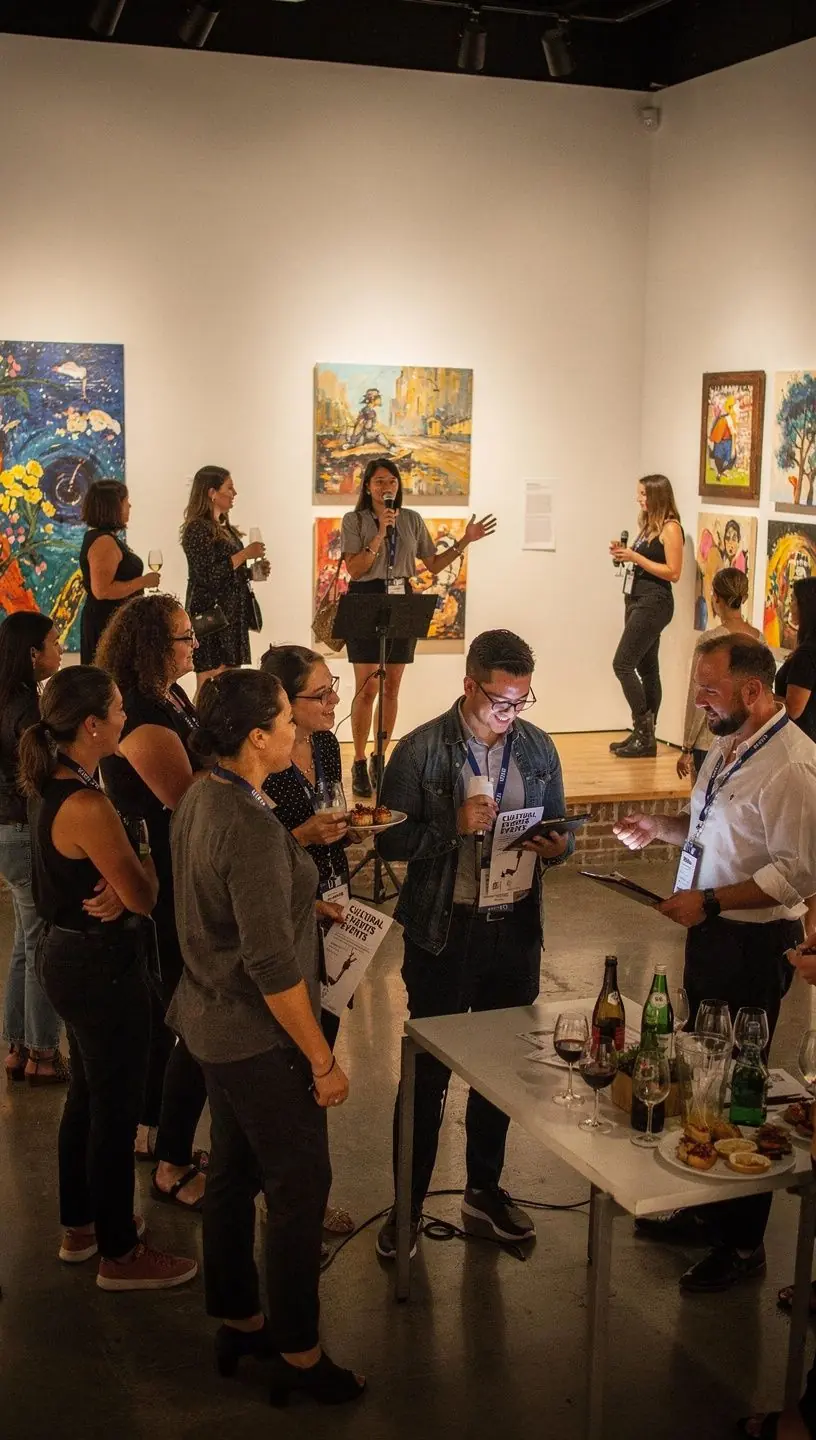
Understanding Local Cultural Event Scheduling
Navigating the vibrant landscape of local cultural events can be a rewarding experience. Understanding how these events are scheduled can enhance participation and engagement within your community.
Understanding the Basics
Scheduling cultural events typically involves several key factors that ensure the gatherings resonate with the community's interests and logistics. According to community planning experts, the timing, location, and type of event often dictate the success of these activities. For instance, events scheduled during weekends or holidays tend to attract larger crowds, as many individuals are more available during these times.

"Effective event scheduling requires a keen understanding of community preferences and practical considerations." - Local Cultural Planner
Factors Influencing Event Scheduling
Multiple factors contribute to how local cultural events are scheduled:
- Community Engagement: Engaging with community members can provide insights into what types of events are desired. Surveys and feedback mechanisms are often effective in gathering this information.
- Resource Availability: The availability of venues, equipment, and volunteers is crucial. In many cases, securing a location can take time, and planning should start at least 2-4 weeks in advance.
- Seasonal Considerations: Many communities have seasonal events that coincide with local traditions or holidays, which can significantly influence the scheduling process. Research indicates that aligning events with seasons enhances participation and cultural relevance.
Practical Application of Scheduling Techniques
Here are some actionable steps to consider when planning cultural events:
- Identify Your Audience: Understand the demographics of your community. Events that cater to specific groups (e.g., families, artists, or teens) often yield better participation rates.
- Utilize Digital Tools: Tools such as event management software can streamline scheduling and marketing efforts. Many organizers find that integrating social media platforms enhances outreach and engagement.
- Monitor Feedback: After each event, gather feedback to assess what worked well and what could be improved. This iterative process is essential for refining future events and ensuring they meet community needs.
Conclusion
Understanding the dynamics of local cultural event scheduling is a multifaceted process that requires careful planning and community input. By acknowledging various factors and employing effective strategies, organizers can create events that not only foster cultural engagement but also strengthen community ties. Remember, successful scheduling often involves adaptability and responsiveness to the evolving interests of the community.
Learn More