Understanding the Dynamics of Cultural Exchange in Events
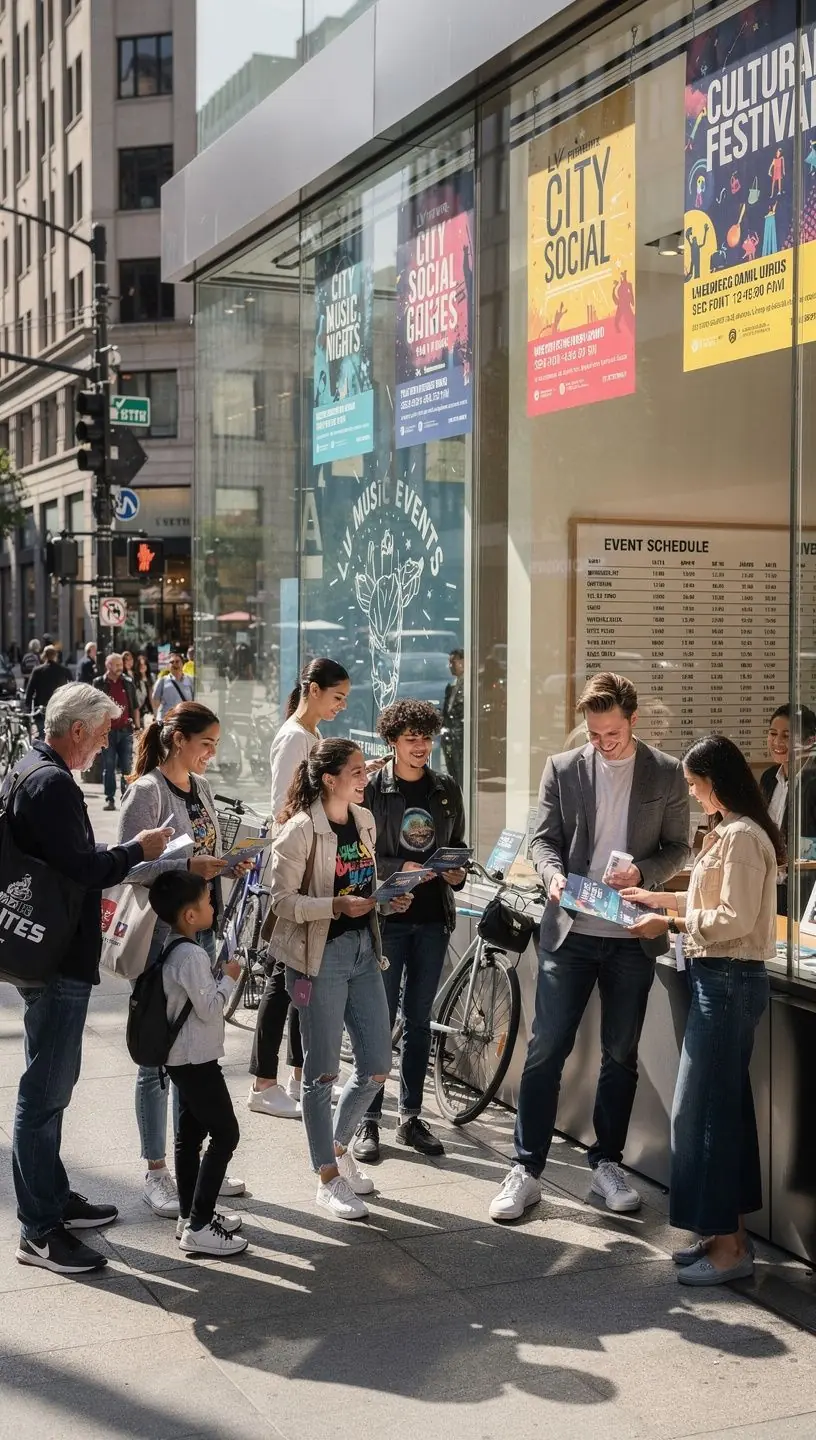
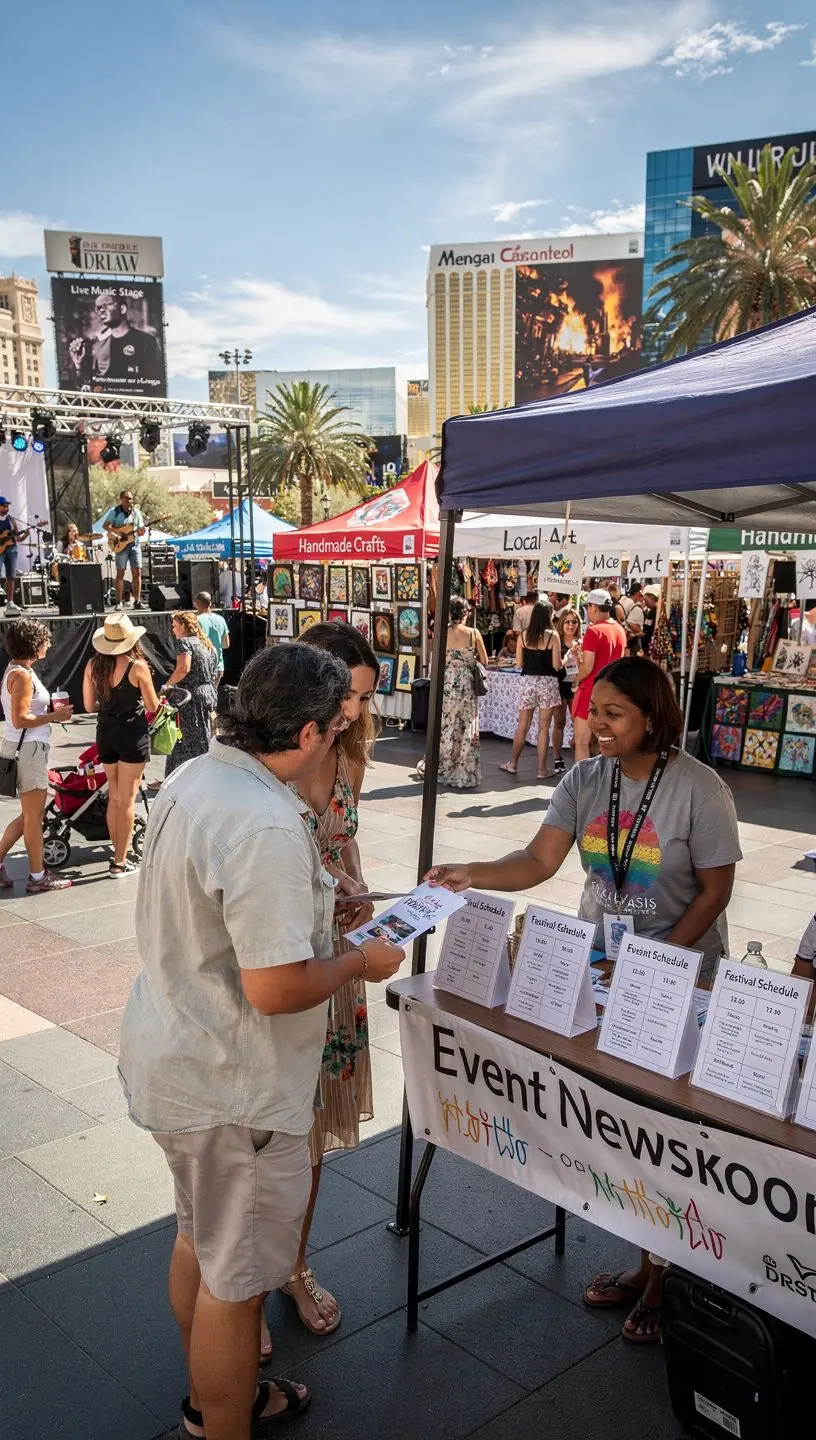
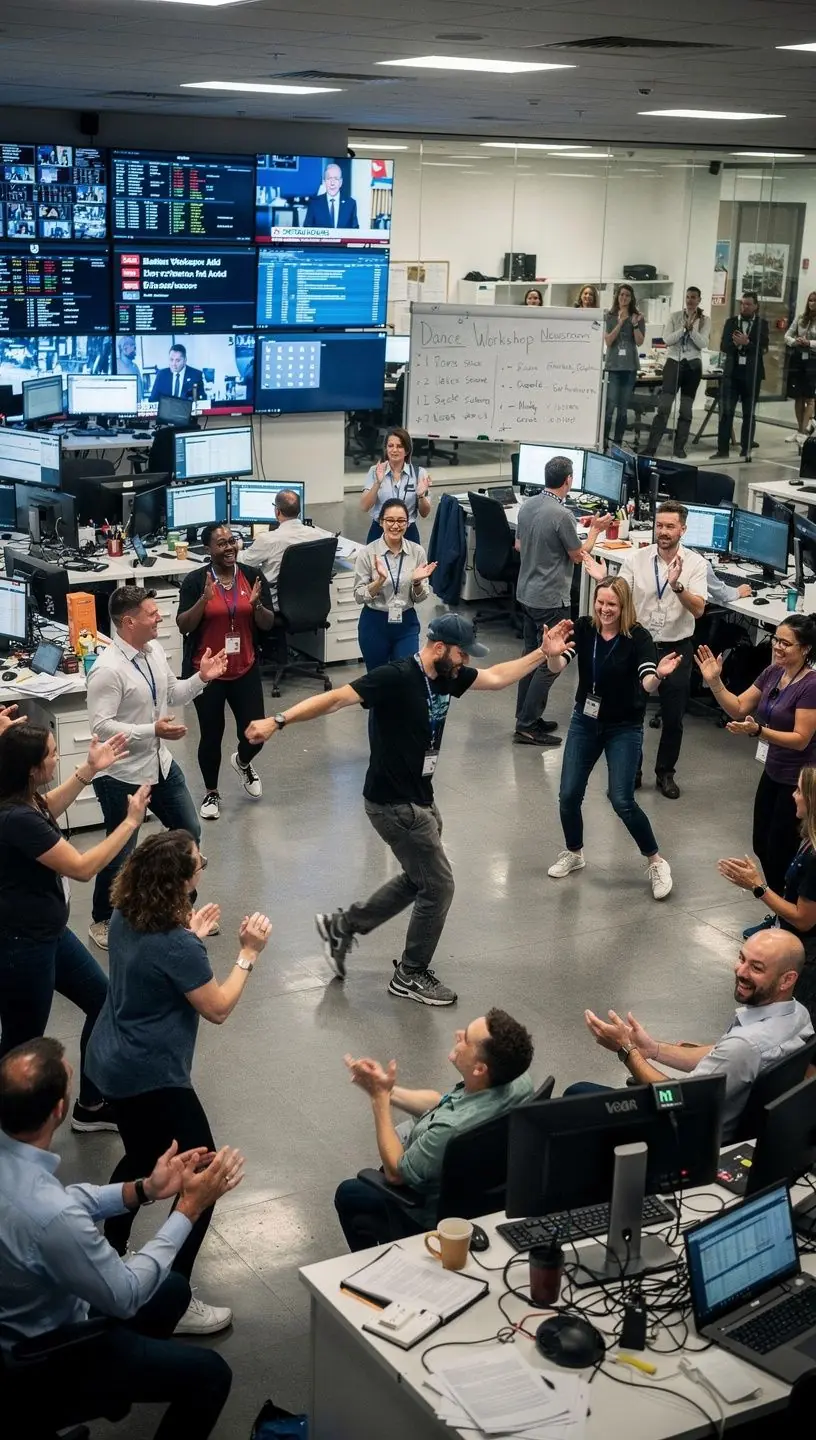
Cultural exchange plays a pivotal role in shaping events that resonate with diverse communities. Understanding the dynamics of these interactions can enhance engagement and foster connections among participants.
The Importance of Cultural Exchange
Cultural exchange refers to the sharing of ideas, traditions, and customs among different cultural groups. According to research by the National Endowment for the Arts, events that incorporate diverse cultural elements often see increased participation, as they appeal to a broader audience. This is particularly relevant in cities like Riga (LV), where multicultural gatherings are prevalent.
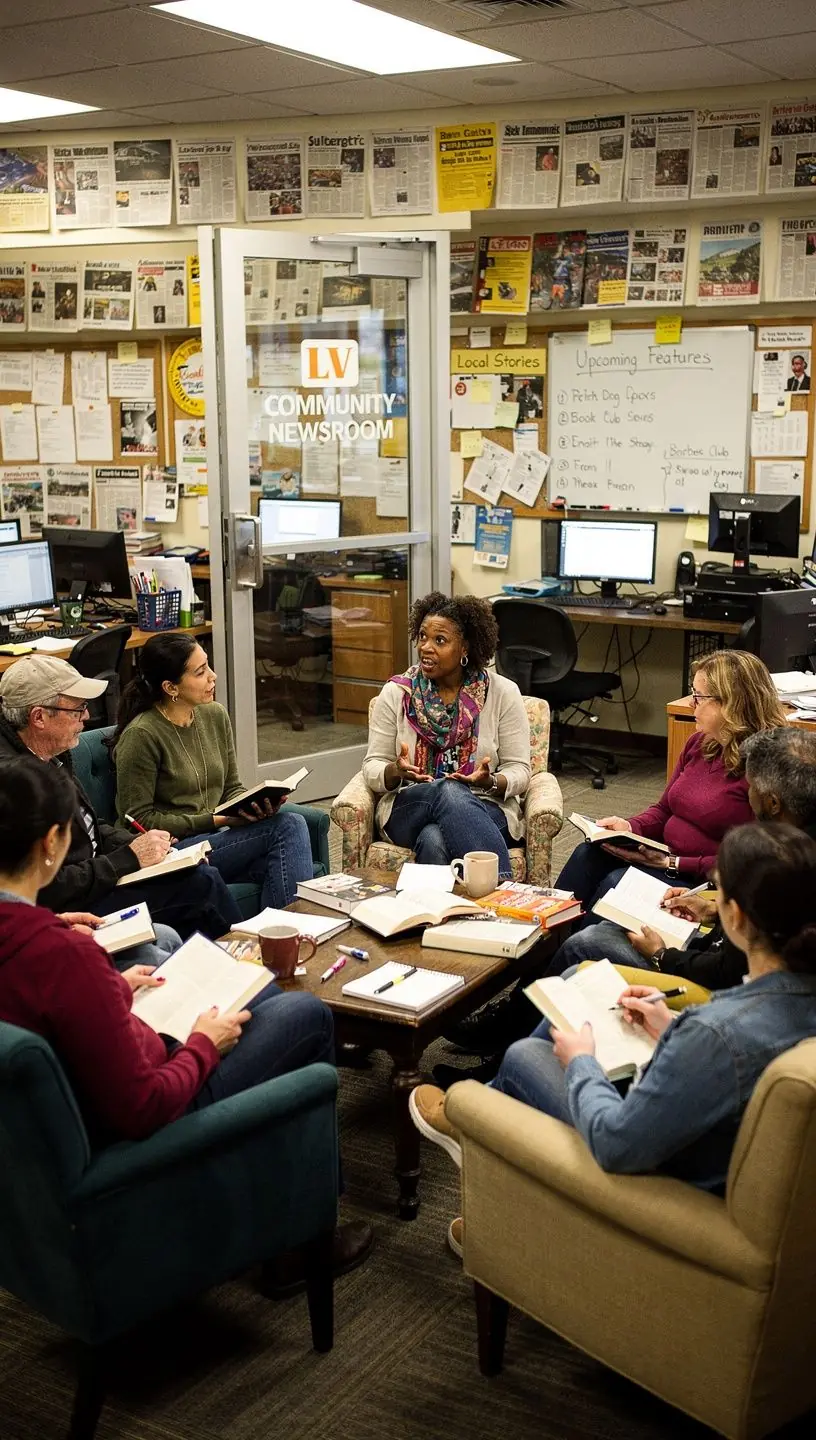
"Events that embrace cultural diversity not only educate but also bring communities together, fostering a sense of belonging." - Cultural Studies Expert
How Cultural Exchange Enhances Events
Integrating cultural exchange into events can lead to several benefits:
- Broader Perspectives: Engaging with diverse cultures often leads to richer discussions and new viewpoints. Studies show that participants in multicultural events report feeling more open-minded and willing to learn.
- Stronger Community Ties: Events that celebrate cultural diversity can strengthen community bonds. According to experts, this works best when local traditions are showcased alongside global influences, encouraging participants to share their own backgrounds.
- Increased Participation: Many users report that they are more likely to attend events that celebrate various cultures. This is especially true when the events are well-promoted and accessible to all demographic groups.
Challenges to Consider
While the benefits of cultural exchange are clear, there are challenges that organizers should acknowledge:
- Time Commitment: Successfully integrating cultural exchange into events typically requires a planning period of 3-6 months. This allows for sufficient outreach and collaboration with community groups.
- Resource Allocation: Organizing multicultural events can be resource-intensive, requiring dedication and potentially additional funding to ensure quality programming.
- Balancing Interests: It can be challenging to balance various cultural representations without favoring one over another. This requires sensitivity and awareness of the cultural dynamics at play.
Conclusion
Understanding the dynamics of cultural exchange in events is crucial for creating meaningful experiences. By acknowledging both the benefits and challenges, event organizers can effectively foster environments that promote engagement and connection. As cultural events continue to evolve, focusing on inclusivity and diversity will likely enhance their impact and reach within the community.